

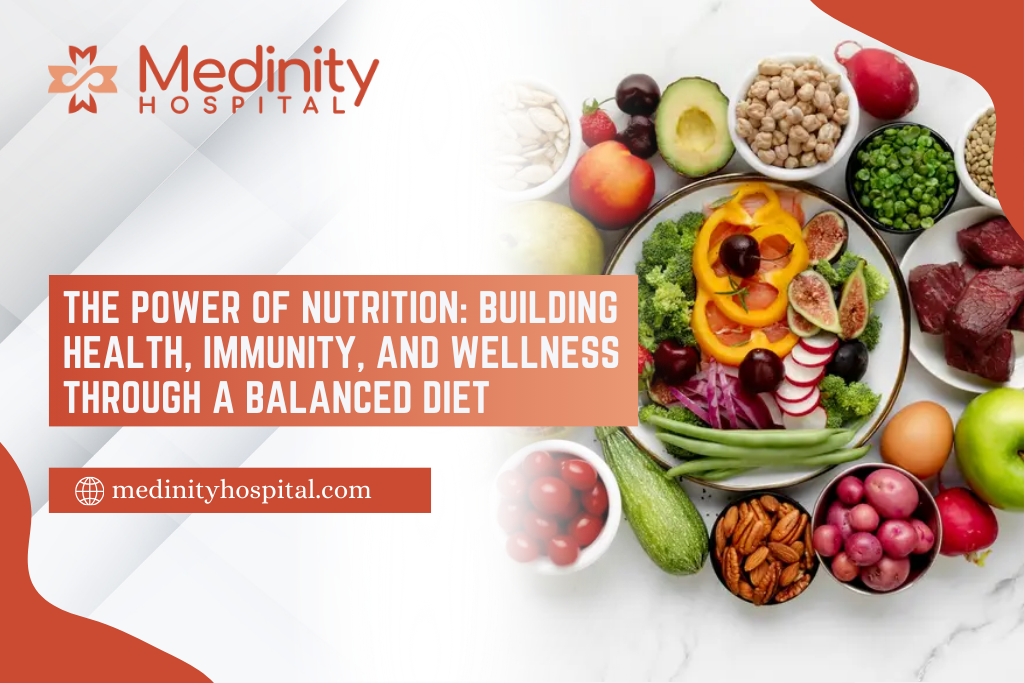
With fast-food solutions and miracle pills being the buzzwords in health classes, the main reality is that wellness begins with nutrition. In Medinity Hospital in Lucknow, we are the things that every day we see how our diet affects the recovery rate, resilience, and quality of life of our patients. Food is not just fuel, but it is medicine, prevention, and the basis on which our body forms all its cells, combats all infections, and supports all its essential functions. The ability to know and utilise the power of nutrition can help in changing your health experience into a proactive health instead of a reactive treatment.
The Foundation: What a Diet is Really Balanced!
A balanced diet is often misconstrued to mean taking everything in moderation, but it is much more deliberate. The body needs a specific set of nutrients to be conducted in the most optimal fashion, and every type of food contributes to the nightmare in its own way. Carbohydrates are the source of energy to run your brain and muscles, proteins are the materials to rebuild tissue and the immune system, and healthy fats help to produce hormones and absorb nutrients. In addition to these macronutrients, some vitamins and minerals are catalysts to thousands of biochemical reactions that take place in your body each second.
Balance does not only refer to nutrients. It involves some diversity, so you need to take different colored vegetables and fruits, different sources of proteins, and whole grains that are fibrous and maintain a slow energy level. The Lucknow food scene is blessed with an array of seasonal foodstuffs, traditional grains such as millets and whole wheat and the legumes sources of protein that have been supporting generations. The acceptance of these local and traditional foods, coupled with the knowledge on the nutritional value of these foods, would lead to a sustainable method of consuming food, one that is respectful of the culture as well as the health.
Immunity: Your Food Defence System
The immune system is not an individual organ but rather a complex network of cells, tissues, and chemical messengers which needs particular nutrients to perform its work. Citrus fruits, guavas and bell peppers contain vitamin C, which helps in increasing white blood cells, which are used to combat infections. Zinc, which is produced in nuts, seeds, and whole grains,s plays a very important part in the development and communication of immune cells. Vitamin D, which is formed in the light and is also found as fortified food, helps in controlling immune response and decreasing inflammation.
Immunity is, however, not made by individual nutrients only. The gut microbiome, which harbours trillions of useful bacteria, is important in immunological activities. This internal ecosystem is nurtured by probiotic-rich foods such as yoghurt and fermented vegetables in combination with a prebiotic fibre contained in fruits, vegetables and whole grains. In the Medinity Hospital, we have seen that when patients have a wide range of nutrient-dense food, their recovery time and number of complications shorten, which proves the direct connection between the immune strength and the type of food consumed.
Health Preservation by Eating Wisely
Diseases such as diabetes, hypertension, and heart disease are becoming common, and most of them can be averted or controlled using dietary interventions. Sugar overconsumption causes insulin resistance, which is the antecedent of diabetes type 2 diabetes, whereas high sodium intake increases blood pressure and puts cardiovascular health under strain. On the other hand, high antioxidant diets of colourful vegetables and fruits help in shielding the cells against oxidative damages which is associated with ageing and disease development.
Anti-inflammatory effects of some foods provide outstanding protective services. As a part of Indian cuisine, Turmeric is a source of curcumin that decreases cellular-level inflammation. Fish, walnuts, and flaxseeds contain omega-3 fatty acids that fight inflammation, which causes many diseases. Fibre-based foods help stabilise blood sugar levels, reduce cholesterol, and improve the health of the digestive system. Knowledge of food as preventive medicine will enable you to make decisions that safeguard your future health, and not just to fill your stomach.
Vitality, Cognitive Sharpness and Athleticism
What you eat directly affects your energy, your mental capacity and your physical ability. Whole grains contain complex carbohydrates, which release glucose gradually, thus supplying lasting energy as opposed to refined sugars, which lead to crashes. B vitamins, especially B12 and folate, play a vital role in energy metabolism and the work of the nervous system. Iron deficiency, which is usually prevalent among women, causes fatigue and decreased oxygen supply to tissues.
The health of the brain is dependent on nutrition. Omega-3 fatty acids enhance cognitive ability and mood, whereas antioxidants help in preventing damage to brain cells. Even mild dehydration affects concentration and physical performance. Water is a nutrient that we always ignore, yet it is essential to all the functions in the body. We at Medinity Hospital stress the idea that the best performance, be it in terms of the mind or in terms of the body, starts with regular and considerate eating habits as opposed to the occasional solution.
Real-Life Action Plan to Nutritional Wellness
To move the nutritional knowledge into the practice, I need realistic and sustainable strategies. The first change would be to eat more whole foods and less processed food. Vegetables and fruits should take half of your plate and be varied in terms of colours because a variety of colours will provide the widest range of nutrients. Replace refined grains with whole ones, including brown rice, whole wheat rotis, and traditional millets, which are good sources of fibre and were able to maintain energy.
Protein must be a part of each meal, be it of plant origin, such as legumes and paneer or lean meat and fish. Nuts, seeds, and cooking oils (mustard or olive oil) are healthy fats that help to enhance the absorption of nutrients and satiety. Mindful eating, eating based on hunger and satiety indicators instead of eating in an automatic fashion is one method of creating a healthier relationship with food.
The planning of meals does away with spontaneous and less healthy decisions. Eating at home gives you the choice of ingredients and amount. But it is not perfection that should be sought, but consistency. It is a normal practice to occasionally indulge, and excessive strictness of certain restrictions tends to backfire, causing unhealthy associations with food.
Conclusion
We think that nutrition education is as important at Medinity Hospital the best multispeciality hospital in Lucknow as medical treatment. The food preferences that you make daily add up to trends that defend or undermine your health in the long term. Nutrition will not change you dramatically, but rather require decisions that are informed, regular and respect the needs of your body.
Nutritional wellness is an investment in the future. No matter the chronic condition you need to take care of, the post-illness process, or if you are in need of optimising your health, the concepts stay unchanged: variety, balance, moderation, and mindfulness. Good nutrition makes your body extremely sensitive and can heal, strengthen and prosper when given the required nutrients.